 Waiting List Registration
 Book A Tour
33 Mallard Rd: (647) 478-6114
141 Bond Ave: (647) 478-6043
25 Mallard Rd: (647) 812-7795
33 Mallard Rd: (647) 478-6114
141 Bond Ave: (647) 478-6043
25 Mallard Rd: (647) 812-7795
2026-03-11
One of
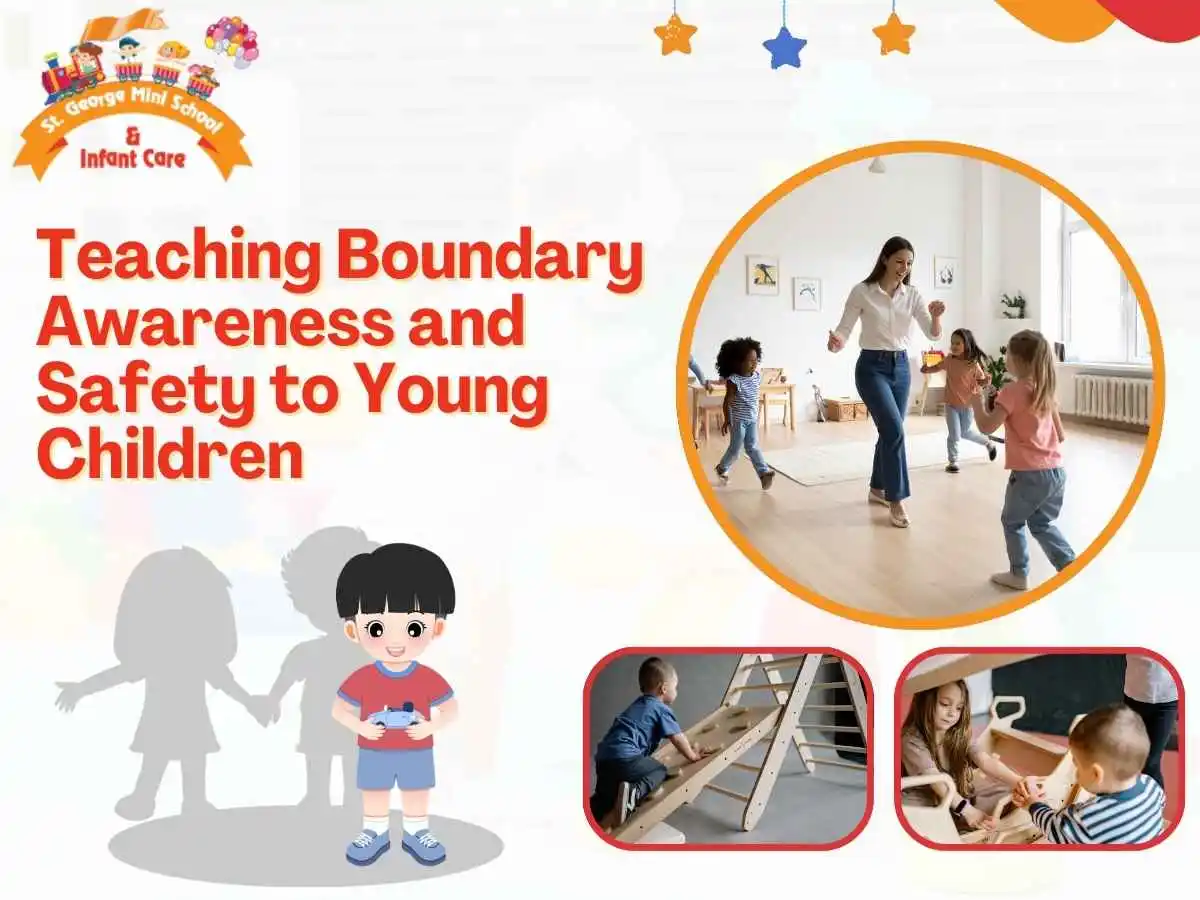
the most important life skills parents and educators can teach young children
is understanding personal boundaries and safety. Although these lessons may
seem complex, they can be taught in simple, age-appropriate ways that gradually
build confidence and self-awareness. Through supportive learning environments
such as preschool programs and structured before- and after-school care,
children gradually learn how to express their needs, respect others’ personal
space, and understand when adult guidance is necessary.
Teaching
boundaries is not about creating fear—it’s about empowering children with the
language and understanding they need to feel safe and respected.
Why Boundary Awareness Matters in Early Childhood
Young
children are naturally curious and are still learning how to understand the
world around them. For this reason, they may not fully understand personal
space, consent, or potentially risky situations. Early childhood education
environments, such as preschool programs, help children develop these social
and emotional skills.
Children who
learn about boundaries early begin to understand their own feelings, recognize
when someone else feels uncomfortable, and know when to seek help from a
trusted adult. The lessons learned at an early age help build a foundation for
healthy relationships and emotional intelligence later in life.
Teaching Children the Language of Personal Boundaries
An effective
way to teach boundaries is by giving children simple and clear words they can
use to communicate their feelings. In preschool programs, young learners also
hear teachers and caregivers use these phrases during everyday interactions.
For example,
educators might encourage children to say things like “I don’t like that,”
“Please give me space,” or “Can I have a turn?” Practicing these phrases during
playtime helps children understand that communication is a healthy way to solve
conflicts and that their voices matter.
Using Everyday Moments as Teaching Opportunities
Boundary
awareness does not require formal lessons. In fact, the most effective learning
moments happen during everyday activities such as group play, classroom
transitions, or team projects.
In quality
preschool programs, teachers guide children to share toys, take turns, and ask
permission before using someone else’s belongings.
These
small experiences help children understand the importance of respect,
cooperation, and empathy in real life.
Programs that
extend into before and after-school care continue reinforcing these lessons as
children grow and develop more complex friendships.
Helping Children Recognize Safe and Unsafe Situations
Another important part of safety education is helping children recognize when something does not feel right. Teachers often introduce this concept by encouraging children to pay attention to their feelings and trust their instincts.
Children
learn that their bodies belong to them and that they have the right to say no
to anything that makes them feel uncomfortable. They also learn the importance
of telling a trusted adult if something makes them feel unsafe or
uncomfortable. These discussions are done in a positive manner in
well-organized preschool settings in order to make the children feel empowered
as opposed to being scared.
The Role of Supportive Adults
Children
build confidence when they know there are adults available to guide and support
them. Those who teach and are involved in the process of nurturing learning
settings provide examples of respectful communication and allow children to
overcome social difficulties with patience and understanding.
In classroom
activities and structured before- and after-school programs, consistent support
from adults helps children express their emotions and seek help when needed.
Reinforcing Boundary Awareness at Home
Parents also
play an important role in reinforcing the lessons children learn at school.
Encouraging children to talk about their emotions, respecting their personal
space, and having open conversations about safety help reinforce the importance
of boundaries.
When parents
and educators work together, children receive consistent messages about
respect, safety, and communication, helping them feel secure both at home and
in the preschool environment.
Summary
Teaching
boundary awareness and safety is an important part of early childhood
development. With positive guidance in preschool education and structured
before- and after-school programs, children learn to express their emotions,
respect others, and recognize situations where they should seek help from
adults. These skills are especially valuable for families looking for
supportive early learning and Before
and After School Care North York programs.
About St. George Mini School
St. George Mini School offers well-structured preschool programs and before- and after-school care that support children’s emotional, social, and developmental growth. Our qualified educators create a safe and respectful learning environment where children build confidence, develop interpersonal skills, and gain a strong foundation for lifelong learning.
Featured Blogs
 28/03/22
Which Is The Best Age To Start Chil...
Daycare North York Infant Daycare North York Day Care Center North York Subsidized Daycare North York Daycare Toddlers North York Preschool Programs North York Child Care North York Before and After School Care North York Day Care North York Preschool North York Subsidized Child Care North York Day Care Schools North York



33 Mallard Rd. Centre
- Contact: Sarah Ashfield
- Tel: (647) 478-6114
- E-mail: [email protected]
- 33 Mallard Rd., North York, Ontario M3B 1S4
25 Mallard Rd. Centre
- Contact: Rasha Shamas, RECE
- Tel: (647) 812-7795
- E-mail: [email protected]
- 25 Mallard Rd., North York, Ontario M3B 1S4
141 Bond Ave. Centre
- Contact: Jenna Wright, RECE
- Tel: (647) 478-6043
- E-mail: [email protected]
- 141 Bond Ave., North York, Ontario M3B 1M1
All Rights Reserved © 2026-2027. St. George Mini School & Infant Care.