 Waiting List Registration
 Book A Tour
33 Mallard Rd: (647) 478-6114
141 Bond Ave: (647) 478-6043
25 Mallard Rd: (647) 812-7795
33 Mallard Rd: (647) 478-6114
141 Bond Ave: (647) 478-6043
25 Mallard Rd: (647) 812-7795
2026-03-25
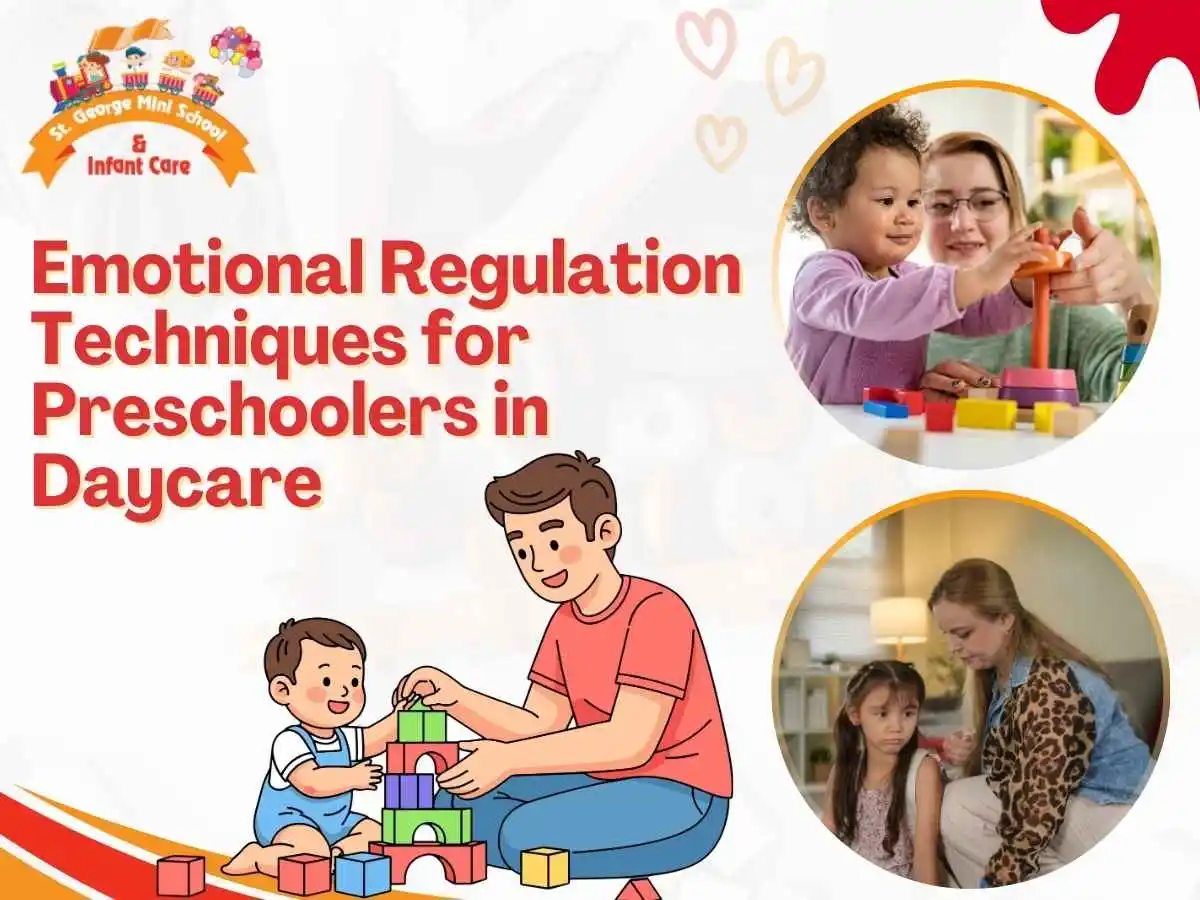
Preschoolers often experience big and powerful
emotions. Happiness, anger, disappointment, or even a small disagreement can
easily lead to crying or a tantrum because young children have not yet learned
how to process and manage their emotions. Within a caring day care or child
care setting, teachers understand that emotional growth is just as important as
learning letters, numbers, and social skills.
Early exposure to supportive environments helps
children develop emotional control, express their needs, form friendships, and
respond positively to challenges. With helpful directions and organized
schedules, a well-organized day care facility can help children learn to
control their emotions.
What Is Emotional Regulation in Preschoolers?
Emotional regulation involves a child's ability to
identify, respond to, and control his/her emotions. In preschoolers, this
ability is achieved through training with the help of parents and teachers.
It is in a good daycare setting that children learn
to stop when they feel overloaded, use words to express their feelings, and use
calming techniques instead of acting on impulse. Self-control, empathy, and
problem-solving are key skills developed through these early lessons.
The ability to control emotions during the
preschool years makes children feel safer, helps them engage in group
activities, and prepares them to learn in the future.
Teaching Children to Recognize and Name Their
Feelings
Before children can regulate their emotions, they
must first learn to recognize what they are feeling. Many preschoolers
experience emotions without having the vocabulary to describe them.
Educators in a day care center often help children
identify emotions by naming them during everyday situations. For example, a
teacher might say, “It looks like you’re feeling frustrated because the tower
fell down.”
Using tools like emotion charts, storytelling, and
classroom discussions allows children to build an emotional vocabulary. Over
time, children become more comfortable expressing feelings like happiness,
anger, sadness, or excitement.
This step is essential for developing strong
social-emotional learning skills.
Creating Calm and Predictable Routines
Children feel more secure when they know what to
expect throughout the day. Having a routine in a day care setting helps
alleviate anxiety and prevent emotional overload.
Children benefit from a consistent schedule that
includes playtime, mealtime, learning time, and rest time. If they know the
day's schedule, they are better able to move from one activity to the next.
Teaching Simple Calming Strategies
Preschool-age children need to be taught effective
coping strategies when they feel overwhelmed or upset. In this regard, many
daycare centers teach preschoolers various techniques for managing their
emotions.
These strategies may include:
• Taking slow, deep breaths
• Counting slowly to ten
• Sitting quietly in a calm space
• Holding a sensory object or comfort
item
Additionally, some preschoolers can be encouraged
to stretch or walk around to help them release tension.
Learning these skills helps children understand
that emotions can be managed rather than feared.
Modelling Positive Emotional Behaviour
Children learn a great deal by observing the adults
around them. In a supportive daycare setting, caregivers demonstrate how to
communicate calmly and respectfully when solving problems.
By speaking calmly, acknowledging emotions, and
demonstrating healthy ways to handle frustration, teachers help children learn
how to manage their own feelings.
Positive role modelling helps create a classroom
environment where emotions are understood and managed in healthy ways.
Encouraging Emotional Expression Through Play
Play is one of the most effective ways to teach
emotional skills. Activities such as storytelling, role-playing, and group
discussions allow children to explore feelings safely and creatively.
In many day care centers, teachers often read books
and engage children in pretend play to discuss scenarios in which the story's
characters experience different emotions.
Drawing, music, and pretend play can provide
children with opportunities to express their emotions, even if they cannot do
so in words.
Creating Safe Spaces for Emotional Reset
Some child care programs provide quiet or calm
areas where children can go when they feel overwhelmed. These areas usually
include cushions, books, or sensory materials that help children relax and
manage their emotions.
These spaces are not meant as punishment but help
children learn that taking time to calm down is a healthy way to manage strong
emotions.
Partnering With Parents to Support Emotional
Development
The collaboration between parents and educators
makes emotional learning more effective. By applying strategies in daycare
facilities that are practiced at home, children will be guided to manage their
emotions in the same way.
Parents can support emotional regulation by
facilitating open discussions about feelings, modelling calm behaviour, and
reinforcing coping skills children acquire in the child care environment.
Summary
Early childhood development takes place through
emotional regulation. With the support of routines, calming strategies, and
positive guidance, quality daycare and child care programs help preschoolers
recognize their feelings and respond to challenges in healthy ways. Families
looking for a supportive Daycare North York can benefit
from programs that focus on building children’s confidence, empathy, and social
skills that support them throughout their lives.
Featured Blogs
 28/03/22
Which Is The Best Age To Start Chil...
Daycare North York Infant Daycare North York Day Care Center North York Subsidized Daycare North York Daycare Toddlers North York Preschool Programs North York Child Care North York Before and After School Care North York Day Care North York Preschool North York Subsidized Child Care North York Day Care Schools North York





33 Mallard Rd. Centre
- Contact: Sarah Ashfield
- Tel: (647) 478-6114
- E-mail: [email protected]
- 33 Mallard Rd., North York, Ontario M3B 1S4
25 Mallard Rd. Centre
- Contact: Rasha Shamas, RECE
- Tel: (647) 812-7795
- E-mail: [email protected]
- 25 Mallard Rd., North York, Ontario M3B 1S4
141 Bond Ave. Centre
- Contact: Jenna Wright, RECE
- Tel: (647) 478-6043
- E-mail: [email protected]
- 141 Bond Ave., North York, Ontario M3B 1M1
All Rights Reserved © 2026-2027. St. George Mini School & Infant Care.